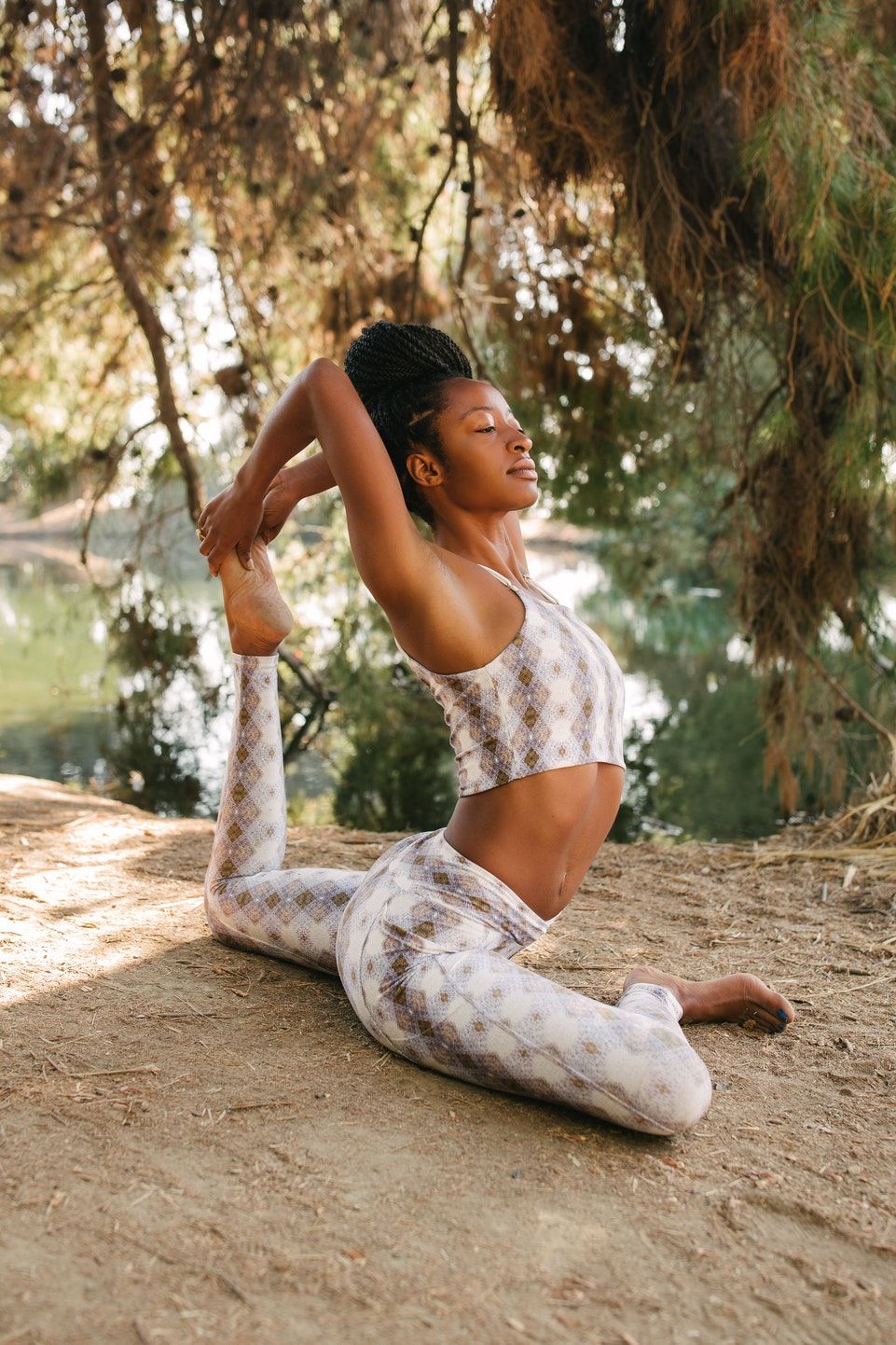
What kind of yoga is best for YOU?
If you teach yoga, own a yoga studio, or enjoy a regular yoga practice it will eventually happen that someone you bump into will say, “My doctor recommended I should try yoga.” And while the medical professions are starting to research and provide scientific evidence that yoga is beneficial physically and mentally…YOGA means many different things to many different people.
So exactly, what kind of yoga is best for YOU? (or your friend :))
According to Google Trends from 2022, the styles of yoga that are most popular worldwide include hot yoga, Hatha yoga, Yin, and Ashtanga. If you have practiced any of these you well know that they are all very different from one another!
So it really comes down to first understanding what motivates someone to be interested in yoga and then giving it a try and seeing the result. As one of the most accessible forms of fitness around the world, yoga provides an opportunity for everyone to find a fit that is just right.
Hot yoga (Bikram)
A class labeled ‘hot yoga’ will generally be held in a heated space. Check the class description or studio location as temperatures will vary. The first heated studios appeared in Japan during the 1940s and were designed to mimic the perceived benefits of practicing in a heated climate such as India. Some studios and groups may use Hot yoga and Bikram yoga interchangeably. Bikram yoga is a style with a set sequence of 26 postures plus breathing exercise that was developed by Bikram Choudhury and over the years has been renamed ‘Original Hot Yoga’.
Some of the benefits of this style vary depending on where you live. If you live in an area of cooler temps a heated session can help with certain conditions such as arthritis and joint inflammation. The combination of heat and using the body can also provide the ideal conditions for overcoming challenges and help someone develop perseverance even in uncomfortable situations!
Hatha yoga
Hatha yoga traces its roots to India and the study of the text Hatha Yoga Pradipika. This style of yoga was preferred by many monks and renunciates who studied spiritual matters deeply. And while this oldest form of yoga has a devotional association, in the current Western culture a Hatha yoga class might entail a slower-paced warm-up, instructor determined set of yoga poses, and then followed by a brief rest and suggested meditation. These styles of classes will also often include instruction on breathing techniques.
A few benefits of a Hatha class is that you don’t have to know any of the poses going into it! The slower pace allows beginners to ease into the language of yoga and really understand what their body is capable of. It also allows those who may be sensitive to neuro distractions such as lights, music, and a lot of listening; space to ease into a more intense or rigorous style. If you are worried about being still during breathing or during rest and meditation for an extended period be sure to talk to your instructor ahead of time as they may be able to offer suggestions or modifications when stillness is requested.
The YogaVibes recorded library is full of Hatha knowledge! Check out these channels as well as our collaboration with the Anusara School of Hatha Yoga’s Samavesha 2020 & 2021 virtual conference.
Yin (sometimes referred to as restorative yoga or deep stretch)
This form of yoga was developed as the ‘yin’ practice for martial artists. Yin and Yang being the Taoist principles of balance (opposing yet complementary). Yin yoga typically includes poses that are held for several minutes and often using support such as laying on the ground and other yoga props like bolsters, blocks, and blankets.
While similar to Yin, restorative yoga focuses more on deep relaxation. A restorative class may include a light warm-up or could also be held in a heated space to assure tight muscles can be stretched. Restorative or deep stretch classes will often also focus on the aspects of mental or emotional stress so will include breathing practices as well as plenty of guidance on mindfulness.
Choosing to take Yin or restorative really depends on your lifestyle. A Yin class would be highly recommended for those that are physically active and already able to overcome the mental requirement of holding a pose for an extended period of time. If you’re just getting started with a physical exercise and are looking to relieve tension due to basic life stresses then a restorative class may be just what you need!
Get your Yintroduction on YogaVibes!
Ashtanga
The Ashtanga yoga practice could seem a little intimidating at first if you are new to yoga. This series of poses was originally developed to physically and mentally train the young princes in India so can be approached with more athleticism and definitely requires focus! Though there are many who practice the Ashtanga series their entire lives and simply modify.
The mental stamina plus the relationship developed between the practitioner, dedication to the practice, and their instructor make this very popular for those who want a stable community. Typically the time of practice for Ashtanga classes and the manner in which class is led does not vary so enthusiasts of this style can maintain their practice almost daily from anywhere. This style is the root of Power and Vinyasa yoga.
Ashtanga yoga has become very popular for mental wellness and in particular for those suffering from PTSD as well as addiction. A few resources are listed below:
https://www.trinifoundation.org/
The Destress the Community channel on YogaVibes
Iyenger – Props and Accessibility
This style of yoga was invented because a young man (B.K.S Iyengar) had been very ill. He was introduced to yoga and took it upon himself to study and practice to improve his own health. He used props and other aids to help gain strength and this inspired him to provide his teachings to others.
Typically, in an Iyengar styled yoga class many props are used and the emphasis is to be methodical in approaching the asanas so as to promote best alignment. Props might include yoga blocks, bolster, blankets, chairs, yoga straps, and wall ropes. Many people who choose this practice do so because poses are held long enough that they are able to understand themselves and their bodies better. The style also emphasizes that there is always more improvement to achieve so everyone has something to learn.
Ready to try a few yoga poses on your own? Get all the basics that you need with YogaVibes’ sister companies:
What about other special situations?
The medical world has begun to study the benefits of yoga more widely for mental health. Check out a few of the resources below to better understand Trauma-Informed yoga:
Yoga study of women with PTSD – Bessel van der Kolk
YogaVibes has trauma informed classes, we also collaborate with a certified trauma-informed studio:
Transcend Trauma video with Jacalyn Prete
Trauma Informed Studio – Unity Movement & Mindfulness
Overcoming Trauma through Yoga: Reclaiming Your Body by David Emerson and Elizabeth Hopper, researchers at Bessel van der Kolk’s center
The Bootstrap yoga method for Veterans introduced through the book Waging Inner Peace by Eric Wal a former US Army infantry officer.
https://www.the-journal.com/articles/bootstrap-yoga-class-targets-ptsd-anxiety/
Recently released research that adds yoga as a potential support for Veterans with PTSD: https://pubmed.ncbi.nlm.nih.gov/40353586/
https://pmc.ncbi.nlm.nih.gov/articles/PMC7875811/
YogaVibes supports the Veterans Yoga Project and participates annually in their Veterans Month fundraiser campaign.
We also partner with several current and former military members who teach yoga. Try Meditations from the Mat by Rolf Gates. You can also take Rolf’s recorded yoga classes via his channel on YogaVibes.
We have a video from last year’s PTSD awareness month featuring Roshonda Thomas discussing resources for Veterans.
The last but most important reference we can provide is that above all else, just BREATHE!
Accessibility, advice for yoga teachers, ashtanga yoga, beginner yoga, Hot Yoga, Iyengar Yoga, Mental Health, PTSD, Recovery, restorative yoga, Trauma, Veterans, Veterans Yoga, yin, yoga, Yoga Classes, yoga for stress, yoga practice, yoga props, Yoga Styles