Rethinking Chronic Pain Relief: Natural, Therapeutic, and Everyday Approaches
Image: Freepik
Chronic pain affects the body, the mind, and daily decision-making. Many people living with ongoing discomfort look beyond medications alone, seeking approaches that support long-term relief, resilience, and a sense of control. Alternative treatments for pain management focus on working with the body rather than overpowering it, blending natural remedies, therapeutic care, and lifestyle shifts into a more sustainable path forward.
Key Takeaways
- Natural remedies can reduce inflammation and calm pain signals when used consistently.
- Therapeutic practices often address root causes like alignment, mobility, and muscle tension.
- Lifestyle adjustments influence pain sensitivity, recovery time, and overall quality of life.
- Combining multiple approaches tends to produce better results than relying on a single solution.
Natural Remedies That Support The Body
Many people with chronic pain start with natural options because they are accessible and gentle. Herbal supplements such as turmeric or ginger may help with inflammation, while magnesium is commonly used to ease muscle tightness and nerve discomfort. Heat and cold therapy remain simple but effective tools, especially for joint pain or flare-ups. When used thoughtfully and discussed with a healthcare provider, these remedies can complement other treatments rather than replace them.
Therapeutic Practices That Address Root Causes
Pain often stems from structural or movement-related issues that develop over time. Physical therapy, massage therapy, and acupuncture aim to improve circulation, restore range of motion, and interrupt pain patterns. These practices are especially useful for people whose pain worsens with inactivity or repetitive strain. Over time, they can help retrain the body to move with less compensation and tension.
Considering Chiropractic Care as Part of Recovery
Chiropractic care focuses on improving how the spine and surrounding structures move together, which can ease pressure on nerves and reduce ongoing discomfort. For individuals recovering from a car accident, it’s important to work with a provider experienced in treating trauma-related conditions that may not be obvious right away. Treatment timelines can vary, with some patients improving after a handful of visits while others benefiting from longer-term care based on injury complexity and healing progress. Many people explore their options to better understand the need for this service after noticing pain that doesn’t resolve on its own.
Practicing Yoga for Ongoing Support
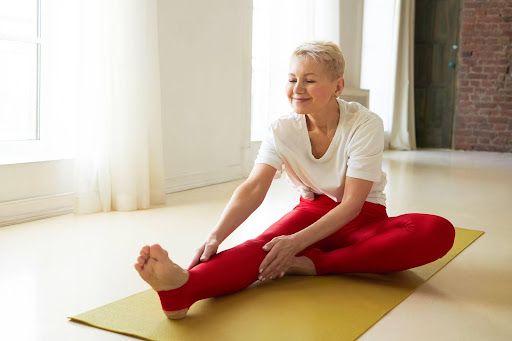
Gentle movement plays a critical role in preventing stiffness and maintaining joint health. Platforms like YogaVibes offer guided, online yoga classes that emphasize slow, mindful movement, breath control, and proper alignment. This approach allows people with chronic pain to build strength and flexibility without pushing into harmful ranges of motion. Over time, regular practice can reduce stress-related tension and improve body awareness. Using structured guidance also helps lower the risk of overexertion. For many, yoga becomes a long-term, noninvasive companion to other pain management strategies.
Daily Lifestyle Adjustments That Matter
Small, consistent habits can dramatically influence pain levels. Prioritizing sleep hygiene supports tissue repair and nervous system regulation, while balanced nutrition helps control inflammation. Stress management techniques such as meditation or paced breathing can reduce pain amplification caused by chronic stress. These changes may feel subtle at first, but their cumulative effect often determines whether pain remains manageable or overwhelming.
Everyday Choices That Influence How Pain Feels
Here are some daily routines can either ease strain on the body:
- Maintain a regular sleep schedule with a supportive mattress and pillow.
- Incorporate gentle movement or stretching every day.
- Monitor stress levels and practice at least one calming technique.
- Stay hydrated and eat anti-inflammatory foods.
- Reassess workstations or daily activities that strain the body.
How Different Options Fit Into Daily Life With Pain
The comparison below can help you decide which approaches may fit best with your energy, schedule, and current pain levels.
| Approach | Time Commitment | Learning Curve | Typical Relief Pattern | Often a Good Fit When |
| Herbal or nutritional support | Low | Low | Gradual and subtle | Pain feels inflammation-driven or systemic |
| Manual or hands-on therapy | Medium | Low | Sometimes noticeable early | Pain is tied to structure, posture, or movement |
| Guided movement practices | Medium | Medium | Builds steadily over weeks | Pain worsens with stiffness or inactivity |
| Mindfulness or breathwork | Low | Medium | Cumulative and variable | Stress or anxiety intensifies pain |
| Lifestyle adjustments | Ongoing | Low | Long-term stabilization | Pain flares feel unpredictable or cyclical |
Practical Questions People Ask Before Committing to Care
Before choosing a direction, many people with chronic pain want clarity on what works and why.
Is it safe to combine multiple alternative treatments?
Yes, many approaches are designed to complement one another rather than compete. Combining therapies often addresses pain from multiple angles, such as physical structure and stress response. Coordination with healthcare providers ensures the plan remains safe and effective.
How long does it take to notice improvement?
Some people feel relief within weeks, while others require months of consistent effort. Chronic pain usually develops over time, so gradual progress is common. Tracking small improvements can help maintain motivation.
Can these approaches replace medication?
For some individuals, alternative treatments reduce reliance on medication, but this varies widely. Medications may still play a role during flare-ups or severe pain. Any changes should be made under medical supervision.
What if movement increases my pain at first?
Mild discomfort can occur as the body adapts, especially when starting new exercises. The key is progressing slowly and avoiding sharp or worsening pain. Guided programs are often safer than self-directed activity.
Are these options suitable for older adults?
Many alternative treatments are adaptable for different ages and mobility levels. Gentle therapies and personalized plans can be especially beneficial for older adults. Professional guidance helps tailor the approach safely.
How do I know which option is right for me?
The best approach depends on pain source, lifestyle, and personal preferences. A trial period with one or two methods often reveals what feels supportive. Ongoing reassessment helps refine the plan.
Conclusion
Managing chronic pain is rarely about a single fix; it’s about building a system that supports your body over time. Natural remedies, therapeutic care, and thoughtful lifestyle choices each contribute something unique. When combined with patience and consistency, these alternatives can shift pain from a constant obstacle into something more manageable. The goal isn’t perfection, but progress toward a more comfortable, active life.
Chronic Pain, Natural Remedy, Pain Management, Yoga for Pain