Unlocking Optimal Wellness Through Self‑Improvement
Image via Pexels
Wellness, at its core, resists shortcuts. It’s not something that clicks into place after a weekend reset or a single streak of clean habits. More often, it takes shape quietly, in the midst of pressure — reinforced by actions repeated, not perfected. The idea of being “fully well” has long been overstated; what sticks is not balance, but rhythm. Recovery becomes a practice, not a destination. Decisions made without urgency begin to carry more weight. Eventually, without ceremony, the body stops sounding alarms.
Treat Wellness as a System, Not a List
Tasks strung together don’t equal structure. That’s where many unravel — toggling between habits that never quite link. The body thrives when systems align, not when actions stack. Building toward health requires a comprehensive mind-body-spirit wellness approach, where routines are integrated and feedback loops are intentional. When movement stabilizes thought, and thought supports sleep, a different momentum forms. Consistency stops being a fight. It becomes background. That’s when wellness starts holding its own.
Sometimes the Pivot Needs Structure, Not Just Intention
Awareness without action loops. Energy without clarity scatters. Growth, in many cases, requires more than inner alignment. It demands structured retooling of professional focus or workflow. Programs like UoPX careers offer a bridge — a defined place to translate change into outcome. Without that, development can stall. Tools matter. So does timing. A shift gains traction when the environment is ready to hold it.
Meditation Isn’t Optional When You Want to Stay Clear
Tension doesn’t leave the mind in command. Instead, it lingers, reshapes perception, narrows reactions. Without tools, small stressors widen. Meditation becomes less of a wellness add-on, more of a stabilizing force. The way meditation supports health and balance is rooted in regulation — of hormones, of sleep cycles, of emotional volatility. But beyond metrics, it builds a return path. Stillness sharpens reaction time. Space makes friction navigable.
Mindfulness and Movement Lock in Emotional Regulation
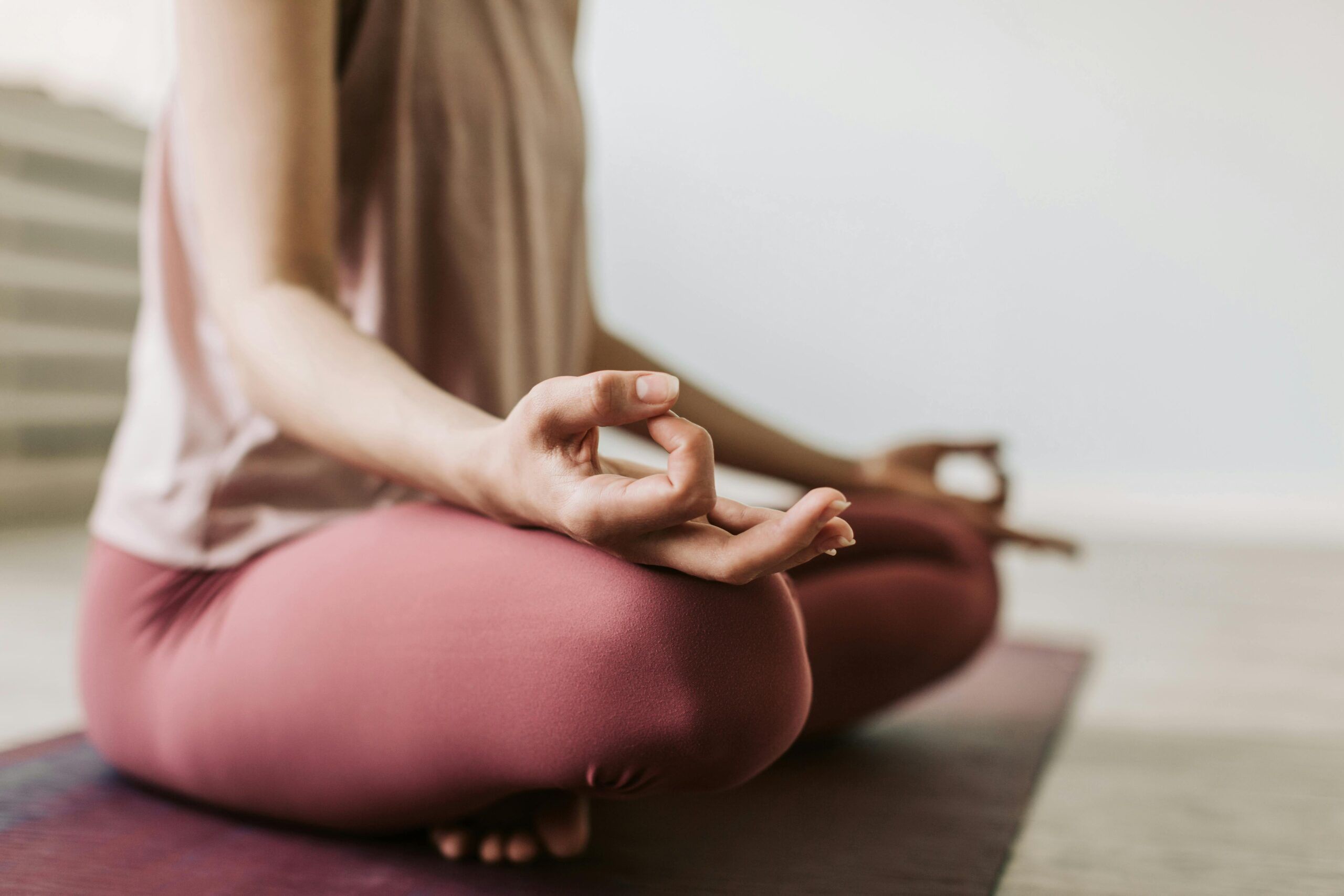
Stillness in thought gains longevity when paired with motion. The body, after all, tells its own version of stress. Practices combining presence and movement — namely yoga and mindfulness — work not only in tandem but in feedback. Evidence continues to grow around research on combined mindfulness and yoga practice, linking these methods to improved emotional range and quicker recovery post-stressor. They don’t overwrite chaos — they soften the landing. As movement builds awareness, awareness reduces reflex.
Yoga Changes Your Brain, Not Just Your Flexibility
Yoga offers more than flexibility. Its deeper value often lies in the neurological shifts it triggers through repetition and breath control. Among the most cited outcomes: lower anxiety baselines, calmer internal dialogue, and boosted clarity during fatigue. The mental health benefits of yoga and breathing focus come not from intensity but from rhythm. Practiced regularly, it reshapes the way tension is stored. Fewer spirals. More recognition. Quicker recovery.
Don’t Ignore the Quiet Levers of Wellness
Changes in physiology don’t always come from dramatic overhauls. It’s often the silent levers — water intake, sleep timing, light exposure — that tilt the system gradually. These shifts won’t make headlines, but they anchor the more visible outcomes. The proven mind and body strategies for well‑being exist not for performance, but for continuity. They’re foundational, not flashy. Implemented quietly, they reinforce capacity when life doesn’t slow down.
You Can’t Scale if You’re Always Depleting
Sustained effort requires recovery. Without it, even high-performers spiral. The line between ambition and depletion thins fast without architecture. Resilience builds when days are structured for movement, output, and recalibration in tandem. Learning the art of balancing career success with personal well‑being isn’t a retreat — it’s a strategy. Those who hold clarity under pressure often do so by protecting their margins. Protection isn’t luxury. It’s how consistency is made.
Too often, wellness is mistaken for a goalpost. But it functions best as scaffolding — built to support the moments when resolve wears down. Built well, it absorbs chaos without collapse. Daily anchors, internal tools, calibrated systems — these keep momentum alive when conditions change. Crashes don’t erase progress. They become part of the rhythm. The difference isn’t who falls. It’s who can return without losing ground.
Discover the transformative power of yoga and meditation with YogaVibes, where every class is tailored to your needs, ensuring health and balance are accessible to all.