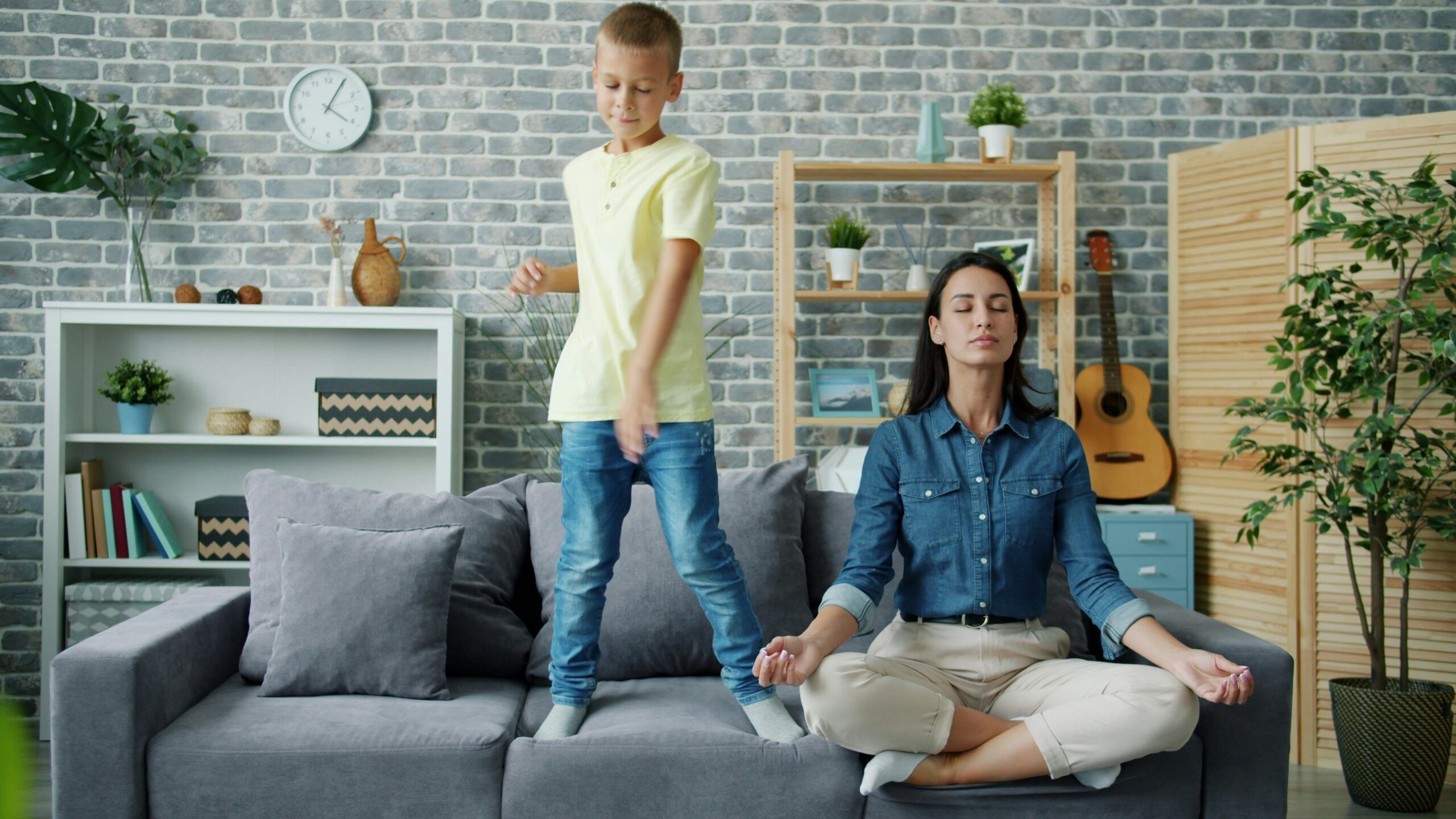
How to Feel Your Best Every Day with Simple Wellness Habits
Busy parents juggling work and home, early-career professionals running on caffeine, and caregivers who put everyone else first all want daily well-being improvement, yet personal wellness often becomes the first thing dropped. The core tension is simple: the motivation for self-care fades when life feels packed, and “feeling your absolute best” starts to sound like a luxury instead of a realistic baseline. This is for general readers seeking well-being guidance who want a clear, beginner-friendly way to think about wellness without guilt or overwhelm. With the right focus, personal wellness becomes a priority that supports everyday energy, mood, and confidence.
Understanding Holistic Wellness
Holistic wellness is a simple idea: your well-being comes from a few connected parts working together. When mental and physical health are both supported, emotions feel steadier and self-esteem grows.
This matters because “feeling your best” becomes something you can track, not a vague goal. You notice more consistent energy, fewer stress spikes, and a calmer response when life gets messy. Think of it like a three-legged stool. If sleep and movement improve but your inner voice stays harsh, you still wobble. If confidence rises but your body feels run down, you still struggle.
Pick Your Starting Point: 12 Practical Ways to Boost Well-Being
Holistic wellness works best when you pick one small lever at a time, body, mind, emotions, and self-esteem all get a vote. Choose a couple of ideas that feel doable today, not perfect, and build from there.
- Start with a 10-minute “starter move” routine: Do 5 minutes of easy walking (inside counts), then 5 minutes of simple strength like wall push-ups, sit-to-stands from a chair, or step-ups on a stair. This supports physical health and often boosts mood and confidence because you kept a promise to yourself. Aim for 3 days this week; when that feels normal, add 2 minutes or one extra set.
- Use the “add, don’t overhaul” nutrition rule: Keep your usual meals and add one upgrade: a fruit or veggie, a protein, or a glass of water. For example, add yogurt or eggs at breakfast, toss frozen vegetables into a pasta dish, or keep nuts in your bag for afternoons. This approach supports steady energy and fewer cravings without the stress that can drain emotional resilience.
- Build a balanced plate you can repeat: Pick one “go-to” meal formula: half your plate plants (salad, roasted veggies, fruit), a quarter protein (beans, fish, chicken, tofu), and a quarter carbs (rice, potatoes, whole grains). Repeating a few simple meals reduces decision fatigue, which is the real mental load. If you eat out, use the same idea by ordering a protein plus a side veggie and choosing water first.
- Try a 3-minute reset when stress spikes: Do one minute of slower breathing, one minute of noticing sensations (feet on the floor, shoulders relaxing), and one minute of naming what you feel (“I’m overwhelmed, and I’m safe”). Mindfulness can be a practical stress tool, and research has linked the MBSR intervention with lower depression scores in a clinical group. The goal isn’t to “clear your mind”, it’s to create a tiny pause so you can choose your next move.
- Create a simple self-care menu for rough days: Write a short list of 6–10 actions you can do in 5–20 minutes, then pick one when you’re depleted. Useful options include activities that ground you like a short walk outside, stretching, a quick shower, journaling, or limiting technology for an hour. This supports emotional regulation and self-esteem because you’re treating yourself like someone worth caring for.
- Make sleep easier with a “two-step wind-down”: Choose a consistent “lights low” time and a simple last-10-minutes routine, brush teeth, set clothes out, read one chapter, or do gentle stretches. If your brain races, keep paper by the bed and write a quick “tomorrow list” to offload it. Better sleep makes everything else, movement, food choices, patience, feel more possible.
- Start a hobby the smallest possible way: Pick something that sounds fun or calming and commit to the tiniest version: 15 minutes of sketching, one song on an instrument, one pot of herbs, one short recipe, or one library book chapter. Hobbies build identity outside of productivity and help self-esteem because you’re learning, not just grinding. Put it on your calendar like a real appointment.
Daily Rhythms That Make Wellness Feel Automatic
These habits work because they reduce decision-making and make “feeling good” something you practice, not something you chase. Pick two, keep them small, and give them a few weeks so they start to feel more automatic.
Bookend Hydration
- What it is: Drink a full glass of water after waking and before lunch.
- How often: Daily.
- Why it helps: It supports steadier energy and makes healthy choices easier.
Three-Song Movement Break
- What it is: Move for three songs: walk, tidy briskly, or do gentle bodyweight moves.
- How often: Daily, or on workdays.
- Why it helps: Consistency builds fitness without needing a long workout.
21-Day Habit Tracker
- What it is: Track one habit for the first 21 days.
- How often: Daily for 21 days.
- Why it helps: Seeing streaks builds momentum and reduces all-or-nothing thinking.
One-Minute Nervous System Shift
- What it is: Try some slow breathing exercises.
- How often: Once daily, plus when stressed.
- Why it helps: It can lower tension fast and improve emotional control.
Weekly “Friction Sweep”
- What it is: Prep one thing: washed produce, workout clothes, or a simple snack.
- How often: Weekly.
- Why it helps: Less friction means you follow through on busy days.
Common Wellness Questions, Answered
Q: What are some easy daily habits I can adopt to improve my mental and physical well-being?
A: Pick two tiny anchors: drink a glass of water soon after waking, then add 5 to 10 minutes of walking or stretching. Pair that with a 60-second slow-breath reset when stress spikes to help your body downshift. Keep the “minimum” so easy you can do it on your worst day.
Q: How can I stay motivated to maintain a regular exercise and self-care routine?
A: Make consistency the win: a short session still counts, and you can always do more later. Put your habit on autopilot by tying it to something you already do, like after coffee or before a shower. Track checkmarks, not perfection, and treat missed days as data, not failure.
Q: What are practical ways to manage stress and avoid feeling overwhelmed in my busy life?
A: Start by spotting your patterns, since keeping a detailed stress journal can clarify what sets you off and what helps. Use quick boundaries like one-task-at-a-time, a 2-minute tidy, or a phone-free lunch. Give yourself permission to pause because never feeling guilty for taking a break is part of staying resilient.
Q: How can trying new hobbies or activities contribute to feeling happier and more fulfilled?
A: New activities add fresh energy and give your brain a break from worry loops. Choose something low-pressure and beginner-friendly, like cooking one new recipe, a short class, or a weekend nature walk. Aim for curiosity, not competence, so it feels restorative instead of stressful.
Q: What resources or stories can inspire me when I feel stuck and uncertain about how to improve my overall well-being?
A: Look for voices that focus on small, repeatable choices and honest setbacks, memoirs, short talks, or alumni-style interviews that explore how people define success and rebuild over time, like the Phoenix podcast. Personal stories help you borrow strategies, normalize slow progress, and remember change can start messy. Save one inspiring talk, essay, or audio story to revisit on low-motivation days.
Build Daily Well-Being by Starting One Simple Habit Now
It’s easy to feel pulled between wanting to feel better and having too little time, energy, or consistency to “do it right.” The way through is an ongoing well-being commitment built on reflecting on personal health, choosing simple routines, and letting progress, not perfection, lead, supported by motivational strategies for wellness when life gets busy. Over time, that mindset makes starting a wellness journey feel lighter and maintaining healthy lifestyle changes feel more realistic, even on stressful days. One small habit done often beats a perfect plan done rarely. Choose one change today, lower the bar so it’s doable, and repeat it this week. That steady follow-through builds resilience and helps daily life feel more stable and capable.