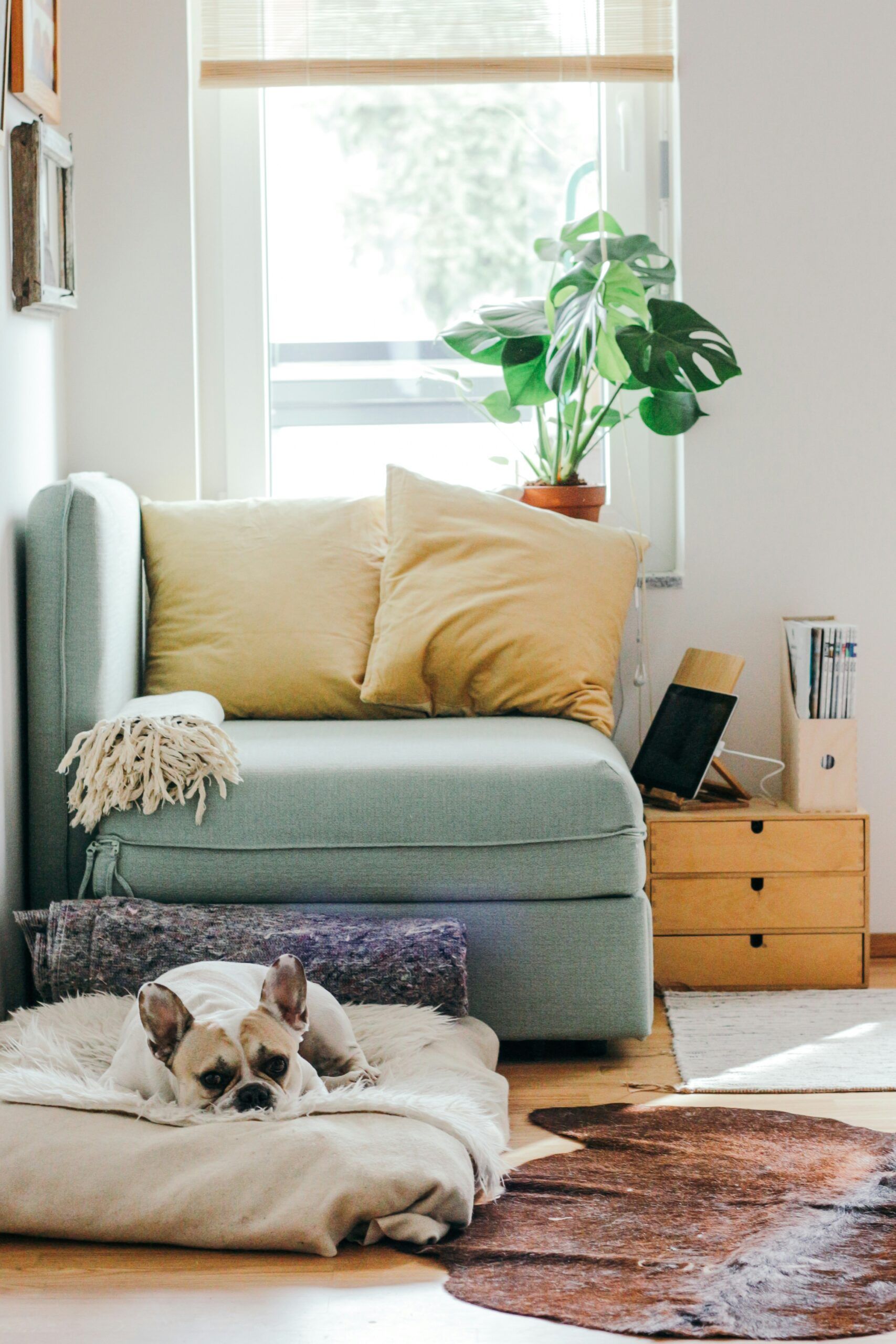
Simple Ways to Make Your Home Feel Comfortable and Calm
Home is where your routines unfold and your energy resets. Over time, clutter builds, systems wear down, and rooms stop serving the way they once did. Refreshing your space isn’t about chasing trends; it’s about restoring comfort, clarity, and confidence in how your home supports daily life.
At a Glance
- Focus first on comfort basics: air, light, temperature, and layout.
- Clear visual and physical clutter to lower stress and sharpen focus.
- Upgrade key systems, including HVAC, for reliability and peace of mind.
- Create dedicated zones for rest, work, and mindful movement.
- Make small, strategic updates that improve how your home feels and functions.
Starting With What You Feel Every Day
Comfort begins with the invisible elements. Temperature that swings too widely, stale air, or harsh lighting can quietly erode your sense of ease. Adjust window treatments to soften natural light. Swap out old bulbs for warm, consistent lighting. Rearrange furniture to improve flow so you’re not navigating around obstacles.
Then, declutter with intention. Clear surfaces in high-traffic areas first: entryways, kitchen counters, and bedside tables. When your visual field is calmer, your nervous system often follows. A home that feels organized creates mental breathing room.
Upgrading Your HVAC System
Heating and cooling systems play a major role in how your home feels year-round. Servicing or upgrading your HVAC system can dramatically improve indoor air quality, maintain steady temperatures, and reduce unexpected breakdowns. Cleaner air and reliable airflow contribute directly to physical comfort and peace of mind. If components are worn or failing, sourcing high-quality replacements matters; when ordering HVAC parts, choose reputable suppliers to ensure proper fit, durability, and long-term performance. A well-maintained system doesn’t just regulate climate—it supports a healthier, more dependable living environment.
Small Changes, Big Impact
Before making updates, consider where improvements will have the greatest effect.
| Area of Home | Simple Upgrade | Comfort Benefit |
| Bedroom | New blackout curtains | Better sleep quality |
| Living Room | Rearranged seating | Improved conversation flow |
| Kitchen | Drawer organizers | Faster, less stressful meal prep |
| Bathroom | Plush towels and bath mat | Elevated daily routine |
| Entryway | Hooks and shoe storage | Reduced daily clutter |
Targeting one or two areas at a time prevents overwhelm and keeps momentum strong.
Creating a Space for Yoga and Stillness
Carving out even a small corner for yoga can transform how your home supports your well-being. Choose a quiet area with enough room to fully extend your arms and legs without obstruction. Add a supportive mat, a folded blanket, and perhaps a low shelf for candles or a small plant to signal that this space is reserved for mindful movement. Keep the area uncluttered so stepping onto the mat feels like crossing into a calmer state. When your home includes a dedicated place for stretching, breathing, and reflection, relaxation becomes part of your environment—not just an occasional activity.
A Practical Plan for a Peaceful Refresh
To move from intention to action, follow a structured approach that keeps the process manageable.
- Walk through each room and note what feels uncomfortable or inefficient.
- Identify one priority per space rather than tackling everything at once.
- Schedule maintenance for critical systems like HVAC and plumbing.
- Remove items you no longer use or need.
- Introduce one comfort-focused upgrade per room.
This steady method keeps improvements aligned with how you actually live, rather than how a magazine suggests you should.
Comfort Upgrades FAQs
If you’re ready to invest in meaningful improvements, these common questions can help clarify next steps.
How Do I Know When It’s Time to Service My HVAC System?
If you notice uneven temperatures, unusual noises, or rising energy bills, it’s time to schedule service. Regular maintenance—typically once or twice a year—helps prevent breakdowns and keeps air quality high. Staying proactive reduces long-term repair costs and preserves comfort.
What Are the Most Cost-Effective Updates for Immediate Comfort?
Lighting, textiles, and organization tools often deliver quick wins. Replacing harsh bulbs, adding soft throws, or improving storage can shift how a room feels without major renovation. These changes are affordable yet impactful.
How Can I Improve Indoor Air Quality Without a Full Renovation?
Start with HVAC maintenance and clean filters regularly. Consider portable air purifiers for high-use areas and open windows when weather allows for natural ventilation. Reducing dust and allergens through consistent cleaning also makes a noticeable difference.
Is It Worth Creating a Dedicated Wellness Area at Home?
Yes, especially if stress is a regular part of your routine. A defined wellness space encourages consistency in habits like yoga, stretching, or meditation. Over time, this small investment in space can support mental clarity and physical resilience.
How Often Should I Reassess My Home for Comfort Improvements?
A seasonal review works well for most households. As weather shifts, your lighting, textiles, and HVAC demands change too. Checking in quarterly helps you stay ahead of minor issues before they become major disruptions.
Should I Prioritize Aesthetic Updates or Functional Repairs?
Function comes first. Reliable systems, safe walkways, and comfortable temperatures create the foundation for any aesthetic enhancement. Once essentials are handled, design upgrades become more enjoyable and meaningful.
A Home That Supports You
Refreshing your home for comfort and peace of mind is less about dramatic change and more about thoughtful alignment. When your air is clean, your systems are reliable, and your spaces reflect how you truly live, stress softens. Start small, focus on what you feel every day, and build from there. Comfort is not a luxury—it’s the quiet foundation of a well-lived life.