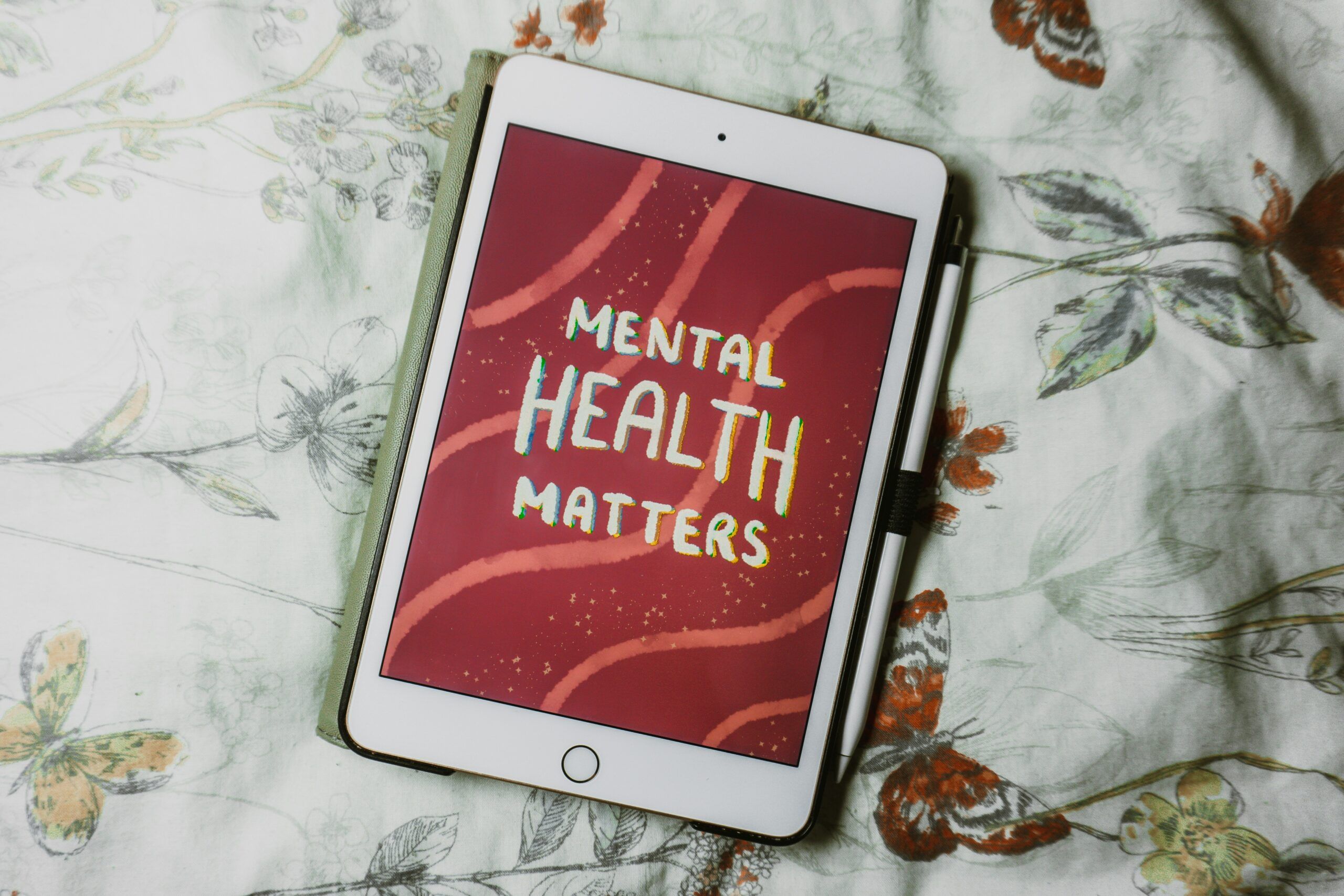
Therapy on Your Terms: How Online Access is Breaking Down Barriers to Mental Wellness
Mental health is commonly shaped by access.. For years, support depended on location, schedules, and comfort levels that did not work for everyone. Many people wanted help but felt blocked by time limits, travel stress, or fear of being judged. As daily life became more digital, care slowly followed. The concept of online therapy services eventually rose to a level where it became an everyday affair. Nowadays, clients can get help at their living locations or wherever they are without having to change their lives around the appointment.
As the stigma surrounding mental health services disappeared, people started to look for trustworthy and confidential guidance that was also approachable. The change in perception made talking about feelings, stress, and self-improvement very common topics. Online therapy’s access to mental health advice was a plus, as it helped to lessen the pressure that is often associated with the process of seeking help. People no longer had to wait for the perfect time to come; they could just begin whenever they were ready, using the most familiar and secure tools to conduct their therapy.
Privacy Builds Comfort
One of the strongest benefits of online therapy is privacy. Speaking from home or another quiet space allows people to open up more naturally. There is less fear of being seen entering an office or explaining absences.
- Sessions feel more relaxed and personal
• Home settings reduce emotional tension
• Privacy encourages honest conversations
Flexible Scheduling Matters
Life does not always follow office hours. Online therapy services allow sessions to fit around work, family, and rest. This flexibility supports consistency, which is key to progress.
- Appointments fit varied routines
• Fewer missed sessions
• Better long-term engagement
Wider Choice of Support
Geography once limited who you could work with. Online access removes those limits. People can connect with professionals who match their communication style and needs, not just who lives nearby.
- More options to choose from
• Better alignment of goals
• Stronger therapeutic connection
Lower Emotional Barriers
Starting therapy can feel intimidating. Online formats soften that first step. Messaging tools, video calls, or guided programs allow people to ease in at their own pace.
- Reduced fear around first sessions
• Gradual comfort building
• Control over communication style
Consistency During Change
Life changes often disrupt care. Moves, job shifts, or health issues can interrupt traditional therapy. Online access keeps support steady during transitions.
- Continued sessions during travel
• Stable support during life changes
• Fewer gaps in care
Technology Supporting Growth
Digital tools now support reflection, tracking, and learning between sessions. These features help people stay engaged and apply insights to daily life.
- Journaling and progress tracking
• Reminders that support habits
• Resources available anytime
As people continue seeking balance and clarity, online platforms offering mental health advice create a bridge between intention and action. They reduce friction, increase comfort, and support personal growth without forcing people into rigid systems.
Mental wellness works best when support feels reachable and human. Online therapy services do not replace connection, they reshape it. By meeting people on their terms, they help turn care into a steady part of life rather than a difficult hurdle. For many, this quiet shift makes starting and continuing therapy feel possible, practical, and deeply personal.